po3mah reviewed Fahrenheit 451 by Ray Bradbury
why i didn't read it before
5 stars
It's like it was written today. Spoiler: Protect books at all costs.
It's like it was written today. Spoiler: Protect books at all costs.
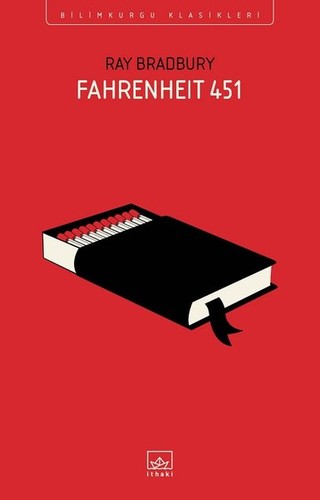
Paperback, 208 pages
Turkish language
Published Aug. 6, 2018 by İthaki Yayınları.
Yazılmış en iyi bilimkurgu romanı. İlk okuduğumda, yarattığı dünyayla kâbuslar görmeme sebep olmuştu. -Margaret Atwood Öyle bir eser ki, hakkında ne söylesem eksik kalır. -Neil Gaiman Hugo En İyi Roman Ödülü Prometheus Şeref Kürsüsü Ödülü Ray Bradbury sadece bilimkurgunun değil fantastik edebiyatın ve korkunun da yirminci yüzyıldaki ustalarından biri. Bilimkurgunun iyi edebiyat da olabileceğini kanıtlayan belki de ilk yazar. Yayımlandığı anda klasikleşen, distopya edebiyatının dört temel kitabından biri olan Fahrenheit 451 ise bir yirminci yüzyıl başyapıtı. Guy Montag bir itfaiyeciydi. Televizyonun hüküm sürdüğü bu dünyada kitaplar ise yok olmak üzereydi zira itfaiyeciler yangın söndürmek yerine ortalığı ateşe veriyordu. Montag'ın işi ise yasadışı olanların en tehlikelisini yakmaktı: Kitapları. Montag yaptığı işi tek bir gün dahi sorgulamamıştı ve tüm gününü televizyonla kaplı odalarda geçiren eşi Mildred'la beraber yaşıyordu. Ancak yeni komşusu Clarisse'le tanışmasıyla tüm hayatı değişti. Kitapların değerini kavramaya başlayan Montag artık tüm bildiklerini sorgulayacaktı. İnsanların uğruna canlarını feda etmeyi göze aldığı …
Yazılmış en iyi bilimkurgu romanı. İlk okuduğumda, yarattığı dünyayla kâbuslar görmeme sebep olmuştu. -Margaret Atwood Öyle bir eser ki, hakkında ne söylesem eksik kalır. -Neil Gaiman Hugo En İyi Roman Ödülü Prometheus Şeref Kürsüsü Ödülü Ray Bradbury sadece bilimkurgunun değil fantastik edebiyatın ve korkunun da yirminci yüzyıldaki ustalarından biri. Bilimkurgunun iyi edebiyat da olabileceğini kanıtlayan belki de ilk yazar. Yayımlandığı anda klasikleşen, distopya edebiyatının dört temel kitabından biri olan Fahrenheit 451 ise bir yirminci yüzyıl başyapıtı. Guy Montag bir itfaiyeciydi. Televizyonun hüküm sürdüğü bu dünyada kitaplar ise yok olmak üzereydi zira itfaiyeciler yangın söndürmek yerine ortalığı ateşe veriyordu. Montag'ın işi ise yasadışı olanların en tehlikelisini yakmaktı: Kitapları. Montag yaptığı işi tek bir gün dahi sorgulamamıştı ve tüm gününü televizyonla kaplı odalarda geçiren eşi Mildred'la beraber yaşıyordu. Ancak yeni komşusu Clarisse'le tanışmasıyla tüm hayatı değişti. Kitapların değerini kavramaya başlayan Montag artık tüm bildiklerini sorgulayacaktı. İnsanların uğruna canlarını feda etmeyi göze aldığı bu kitapların içinde ne vardı? Gerçeklerin farkına vardıktan sonra bu karanlık toplumda artık yaşanabilir miydi? Fahrenheit 451, yeryüzünde tek bir kitap kalacak olsa, o kitap olmaya aday. Mutlu olmamız için gerekli her şeye sahibiz, ama mutlu değiliz. Bir şey eksik. Etrafa bakındım. Ortadan kaybolduğunu kesinlikle bildiğim tek şey, on-on iki yıldır yaktığım kitaplardı.
It's like it was written today. Spoiler: Protect books at all costs.
It's like it was written today. Spoiler: Protect books at all costs.
It's like it was written today. Spoiler: Protect books at all costs.
It's like it was written today. Spoiler: Protect books at all costs.
As you're reading this book, it's difficult to remember that it was written in 1951. The technological "predictions" are interesting (bluetooth headphones, reality TV). But I think the most interesting portions are the discussions of the nature of books and media. Toward the end, we get a discussion of people as books (using their innate photographic memories to read/scan books that can later be retrieved from them), but this quotation from Faber around the middle of the book is probably my favorite moment...the texture of books, a texture that can be examined closely, and the rewards of that process of examination.
"Do you know why books such as this are so important? Because they have quality. And what does the word quality mean? To me, it means texture. This book as pores. It has features. This book can go under the microscope. You'd find life under the glass, …
As you're reading this book, it's difficult to remember that it was written in 1951. The technological "predictions" are interesting (bluetooth headphones, reality TV). But I think the most interesting portions are the discussions of the nature of books and media. Toward the end, we get a discussion of people as books (using their innate photographic memories to read/scan books that can later be retrieved from them), but this quotation from Faber around the middle of the book is probably my favorite moment...the texture of books, a texture that can be examined closely, and the rewards of that process of examination.
"Do you know why books such as this are so important? Because they have quality. And what does the word quality mean? To me, it means texture. This book as pores. It has features. This book can go under the microscope. You'd find life under the glass, streaming past in infinite profusion. The more pores, the more truthfully recorded details of life per square inch you can get on a sheet of paper, the more 'literary' you are. That's my definition, anyway. Telling detail. Fresh detail." (79)